Saudade
Saudade (“yearning”) is one of the most difficult Portuguese words to
translate. It is both a word and a concept that expresses a feeling of
loss, the hope of meeting once again, the distance from the loved one
and the love that is felt for them. However, it can also refer to the
past and to a time that has not yet been lived. It is a similar feeling
to melancholy and features a lot in fado music. One aspect of saudade
is Sebastianism, echoing a legend that has links with the European myth
of the “hidden king” who will return one day.
Since the time of King
Sebastião (photo), Portugal has been dreaming of the return of an exceptional
character who will recover lost glories and will always appear through
the morning mists. King Sebastião (1554-1578) is a central figure in
the nation’s mythology. His aim was to destroy Muslim culture forever
so that Christianity could reign throughout the world. A historic
figure, he gathered the cream of the nation in a quixotic crusade into
the heart of Morocco. Having disappeared, the legend soon became
established as a form of collective denial: the king was not dead but
would reappear. As he left no heir, the throne passed to his nearest
relatives, who were Spanish, and Spanish kings ruled over Iberia and
Latin America for the next 60 years (until 1640). It is said that
amongst the bodies of the Portuguese soldiers lying on the sands of
Africa there were more lutes than weapons, evidence of just how badly
prepared the campaign was and also of the poetic dreamer who commanded
them.
Religion
Ever since it was established as a
nation, Portugal has been a country that has looked to Rome as its
guiding light in religious matters. It was never involved in heresies,
nor did any take place within its territory, and it never wavered when
Central Europe was rocked by religious controversies. It has always
been staunchly Catholic. Its official religion is therefore orthodox
although the popular expression of this faith has often contained
certain pagan elements. Nowadays Portugal is mainly a country of
Catholics but it is very tolerant of other faiths and obeys the
principle of the separation of church and state.
The most important
religious centre in Portugal is Fátima (photo). In 1917, a vision of Our Lady
allegedly appeared to three shepherd children. Fátima became the centre
of a Catholic cult of worldwide importance and is sometimes called the
“altar of the world”. In Portugal, Catholicism was, for centuries, the
great driving force behind art and architecture. Nowadays some other
religions such as the Muslim, Hindu and Buddhist faiths are beginning
to make an appearance, due to immigration and the personal choices of
some Portuguese people seeking out other expressions of faith.
To see Fátima's tours, click here.
Plastic arts
Master Nuno Gonçalves, who
painted the S. Vicente panels (photo), was an important figure in early
painting. Grão Vasco, from Viseu, was another famous early painter,
some of whose works have a very strong dramatic and expressive force.
In the 20th. century a painter emerged who followed and contributed to
the European avant-garde: Amadeo de Souza Cardoso. He died whilst still
very young. Another follower of Modernism, Almada Negreiros, also left
his mark on the century as a prolific artist in various fields and,
above all, a prodigious designer. Nowadays, several artists have
achieved international fame, including Vieira da Silva, Paula Rego,
Julião Sarmento and Helena Almeida.
Portuguese fashion
Portugal has traditionally
always had very active wool, clothing, footwear and textile industries.
Some decades ago Portugal began to invest in its stylists and fashion
designers, creating brands that have become additional assets to these
industries. Names such as Ana Salazar, Fátima Lopes and Augustus,
amongst others, are internationally renowned.
Literature
In the Middle Ages the Portuguese
troubadours achieved poetic heights comparable to those of Provence.
Just as the golden age of the Discoveries began to fade the great poet
Camões (photo) emerged, celebrating the heroic deeds of the Portuguese in the
Lusíadas. Although it was a celebration of the feats of the navigators,
this epic poem, inspired by Virgil, is also a critical reflection on
the nation. In addition, Camões was also a great lyric poet and wrote
hundreds of love poems that have never been rivalled.
However, there
can be no doubt that the golden century of poetry in Portugal was the
20th. century, headed by Fernando Pessoa (photo). His work is shared by four
main heteronyms (fictitious authors, each with their own individual
styles), enabling Fernando Pessoa to invent a dramatis personae of
poets, which simultaneously were and were not the author himself and
generated an "en
tire literature". Another contemporary poet is the
mysterious Herberto Helder, an author who never gives interviews or
accepts prizes. His poetry is nocturnal and visionary, post-Surrealist,
alchemic and somewhat bizarre. Amongst novelists, the amazing
nineteenth century writer Eça de Queirós is outstanding for his wit,
critical mind and fantastic irony. Nowadays, Nobel laureate Saramago
and António Lobo Antunes are major literary figures. Novels by the
former include “Memorial do Convento” (“Baltasar and Blimunda” in
English) and “Evangelho Segundo Jesus Cristo” (“The Gospel According to
Jesus Christ”) and works by the latter include “O Manual dos
Inquisidores” (“The Inquisitor’s Manual”) and “A Explicação dos
Pássaros” (“An Explanation of the Birds”). These four titles are
recommended to anyone who is interested in reading contemporary
Portuguese fiction.
Cinema
A veteran of world cinema, the centenarian Manoel de Oliveira, has
directed more than thirty full-length films. He was born in 1908 in
Porto and at the start of 2009 was directing yet another film,
“Singularidades de uma rapariga loura”, based on a short story by Eça
de Queirós. His career has spanned over seventy years and his first
films were produced during the silent era. The films are always
critical reflections on Portuguese history and culture and time in
human relationships.
Another director, whose work reflects a grotesque view of Lisbon, is
João César Monteiro, famous for his deviant, autobiographical, comic
and deranged behaviour and films.
There are many other film directors in Portugal. In the 1990s, Teresa
Vilaverde, whose film “Mutantes” tells the story of three youngsters
living on the streets, became famous. Nowadays, and for the past two
decades, purely commercial American-style action films are also
produced.
Music
Fado is the most authentic form of national music. Its name comes from
the Latin word fatum meaning “destiny” and it is usually melancholic
and/or fatalistic music. Fado often expresses the characteristic
national sentiment of saudade.
However, Portuguese music does not just mean fado. Nowadays there is a
wide-ranging and diverse selection of music produced by national
pop/rock groups and there have always been notable classical composers
such as João Domingos Bomtempo, an international master in the art of
Baroque music who is, unfortunately, less well-known than he deserves
to be.
One of the most interesting and original contemporary groups is
Madredeus, whose music is, to a certain extent, based on elements of
fado combined with a more popular style.
From a totally different perspective, there is also Moonspell who have
made their mark on the international heavy metal/goth scene.
Gastronomy
There is a endless variety of
Portuguese soups. Cozido à portuguesa is a heavenly dish that is
essentially a stew of smoked sausages, meat, vegetables and rice and is
a nourishing treat. One of the quality products made in Portugal is
olive oil, which is drizzled over salads and boiled potatoes. It is one
of the essential elements in the so-called Mediterranean diet highly
praised by nutritionists. Bread making is a fine art in Portugal and
there are endless delicious varieties of bread. The smoked sausage
known as the "alheira" was invented by the Jews at the time of the
16th. century persecutions. They invented a smoked sausage made from
poultry so that they could pretend to be eating pork and thus not draw
undue attention themselves. Nowadays it is a national dish and,
essentially, a symbol of human skill in resisting persecution. In
addition, a wide variety of fresh fish is served in Portugal. The most
popular are grilled mackerel and sardines, not forgetting the
cornerstone of Portuguese culture, bacalhau (salted codfish). For many
centuries the Portuguese have fished for cod in the Norwegian and
Newfoundland waters and dozens of recipes have been created for this
fish which are a delight to those who appreciate good food. There are
also dishes based on seafood from the Portuguese coast, such as bean or
bread-based casseroles and risottos, not to mention other seafood
specialities. And finally, there are the desserts, including the
traditional egg-based Convent Sweets, with their often amusing and
ironic names, such as "barriga de freira" (Nun’s belly),
"toucinho-do-céu" (bacon from heaven) and "jesuítas" (Jesuits).
Cheese
Portugal has a highly-developed tradition of cheese making due to the
seasonal migration of flocks throughout the country and this art can
still be observed in many places nowadays. Cheeses made from ewe’s milk
are a great delicacy.
Queijo da Serra cheese is made from ewe’s milk from the Serra da
Estrela mountains. It is a cured, semi-soft, buttery cheese which is
white or yellowish. Serpa cheese, produced in this region in the heart
of the Alentejo, is stored for at least a month in the dairy in a cool
damp atmosphere until it has matured.
There is also an excellent Azeitão cheese made with milk from the herds
which graze on the slopes of the Serra da Arrábida.
Wine
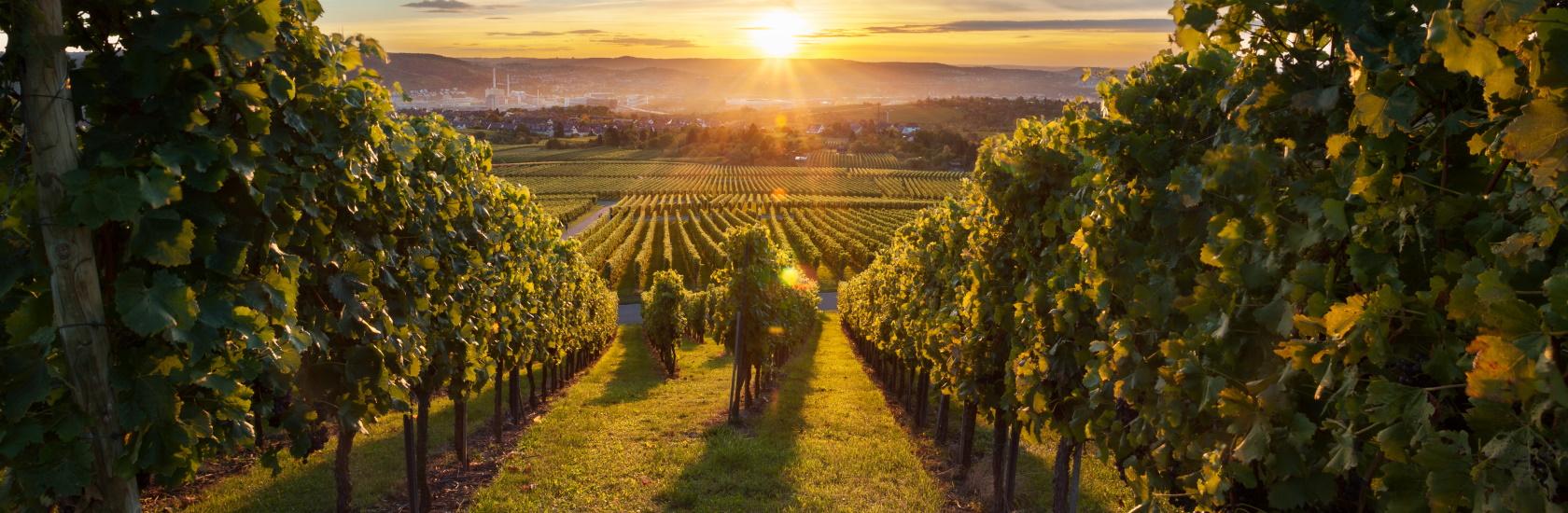
Portugal is an excellent producer of a
wealth of top quality wines. The most famous of these, and rightly so,
is Port wine, a fortified wine with a high alcohol content (16º to 22
º), which is full-bodied yet has a very fine aroma and flavour. Another
quality wine with different characteristics is the wine produced on the
island of Madeira and often served as a aperitif or digestif. In
addition, the Moscatel from Setúbal, also a fortified wine, has great
flavour and quality. Vinho verde is typical of the Minho region and
usually has a fresh, “young” and slightly acidic flavour. From amongst
the wines from the many demarcated regions in Portugal, an Alentejo or
Douro wine is a good choice to serve with meat dishes. These wines have
a continental, Mediterranean flavour, due to the many hours of sun that
make the grapes very ripe. They are strong and aromatic wines. Licor
Beirão is a very traditional and popular drink. It is made from
eucalyptus, cinnamon, rosemary and lavender and has a very strong,
sweet flavour.